Saudi Arabia’s desalination plants use a number of different processes. According to figures from Electricity and Cogeneration Regulatory Authority, 64% of desalination capacity relies on the multi-stage flash process, while 20% uses reverse osmosis and 16% is produced using multi-effect distillation. Saudi Arabia leads the world in the production and consumption of desalinated water, and with an estimated 24.3 billion dollars of expansion plans in the pipeline until 2020, as well as privatisation in the offing, the sector offers opportunities for a range of investors.
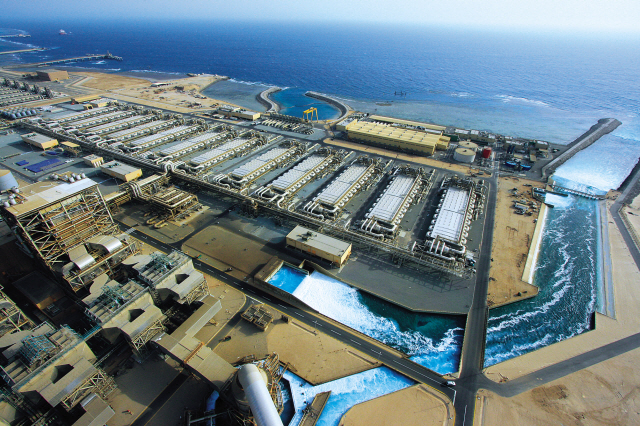
Desalination is a viable idea but it does have a few negative effects. In an article titled “Is Desalination the Answer to Water Shortages?” by Meghan Werft by globalcitizen.org says Desalination plants take in salt water straight from the ocean and can kill or harm fish and other small ocean life as water travels from the source to the plant. Also salinity levels in oceans are predicted to rise, which would make filtering water more expensive. The more salt there is to filter out, the more energy required.




No comments:
Post a Comment
Note: Only a member of this blog may post a comment.